All our news

Are single photons always better for BB84 than lasers?

Depends!

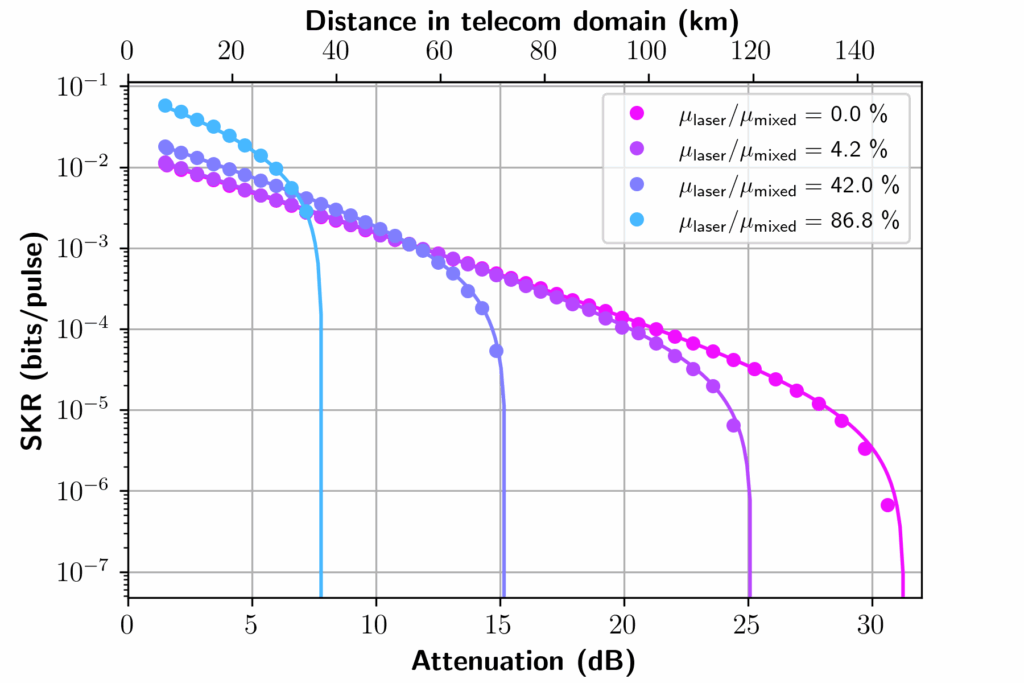
At this point, being often limited by fiber brightness, BB84 secret key rate (SKR) can be higher at very short distances with laser pulses than with single photons.

In the new pre-print, Portella et al, we compare single photons one-to-one with laser pulses and propose a strategy to increase SKR at short distances by controlled mixing extra laser light to compensate for the reduced brightness.

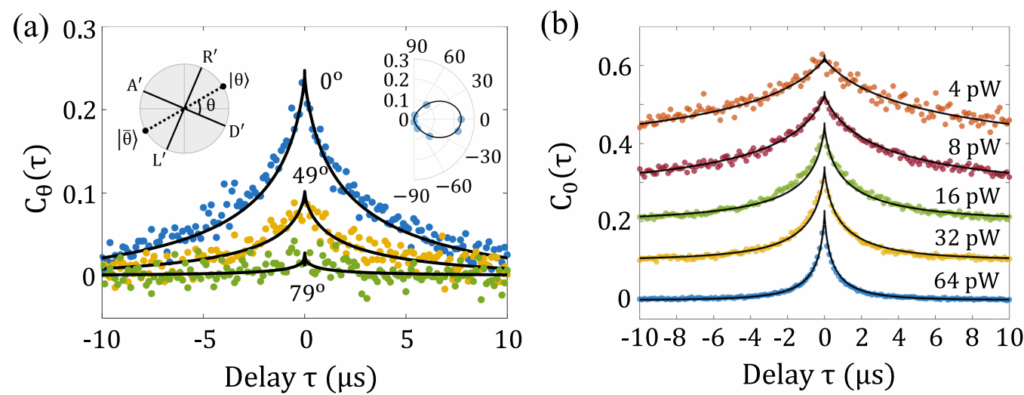
New publication in PRL: Spin Noise Spectroscopy of a Single Spin Using Single Detected Photons

We introduced a novel technique to measure the noise spectrum of a single spin. This approach exploits the cavity-enhanced giant polarization rotations induced by the single spin on photons reflected from the cavity. The spin signal is directly extracted from photon-photon cross-correlations, extending the bandwidth of the technique to the ultrafast regime above 10 GHz, limited by the time jitter of the single-photon detectors. The measurements are compared to a numerical model that includes the relevant noise mechanism in the system. We show that we can extract all relevant parameters that characterize these processes. Ultimately, this technique may be applied in the characterization of new devices and the design of noise mitigation strategies.

M. Gundín et al., Phys. Rev. Lett. 134, 036902  (2025)

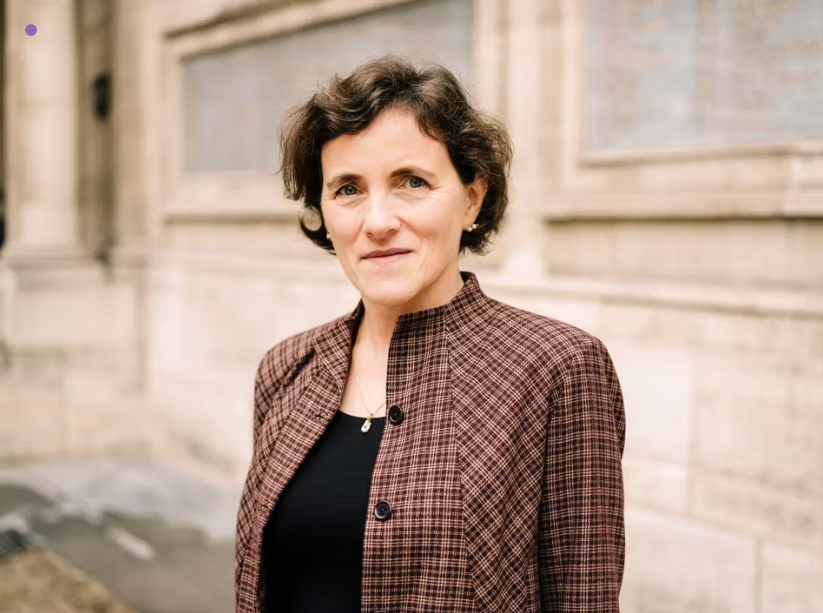
Pascale, Professor Chaire at College de France

Pascale will hold the prestigious Chaire of Professor at the College de France this year, the Innovation Chaire.

This position is a recognition of her work done at LPN & C2N for many years, and in the last 8 years, together with Quandela teams. Her mission at the College de France will begin with an inaugural lecture at 18:00 on December 11th at the College de France. As this is a public event, everyone is welcome to attend – our team will be there!

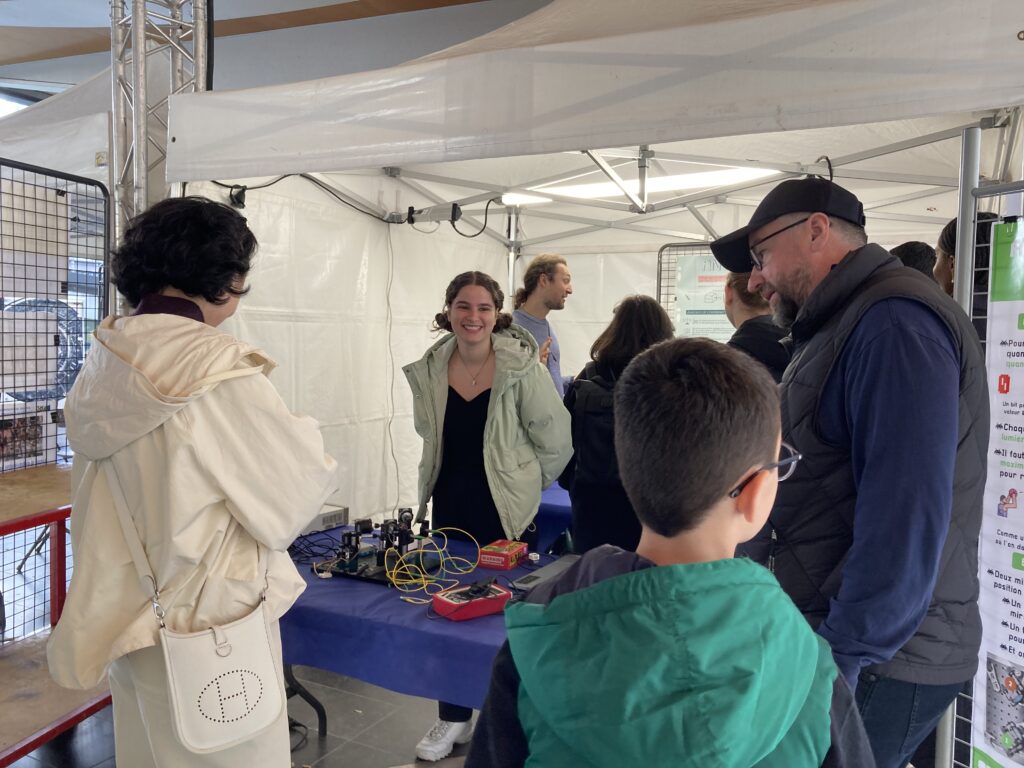
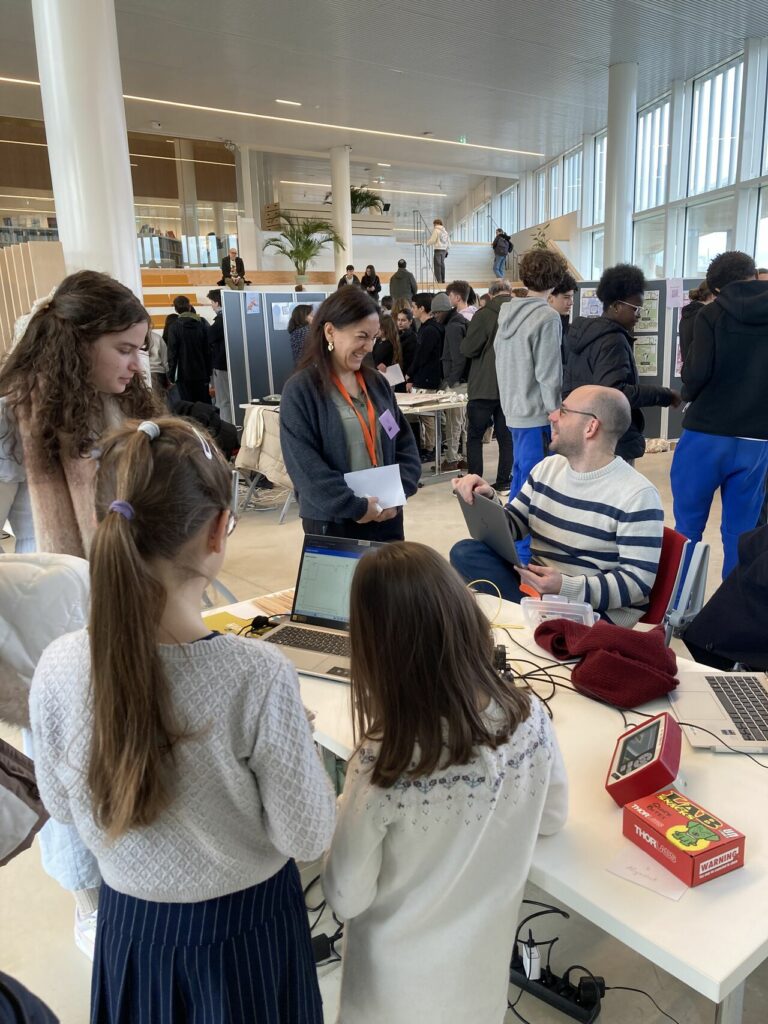
Demonstration at la Fête de la science

Dario developed with his students a game for outreach, where visitors of the Science Festival learned the basics of fiber coupling entertainingly.

This great idea made from everyday lab practice entertaining experiences, which became very popular, especially among children and students visiting our stand at la Fête de la science.

bafkreig2z3cyw2yjafopxvtkjax4t24hgeqd6q5abyr3wf5hnic6pv2eiq

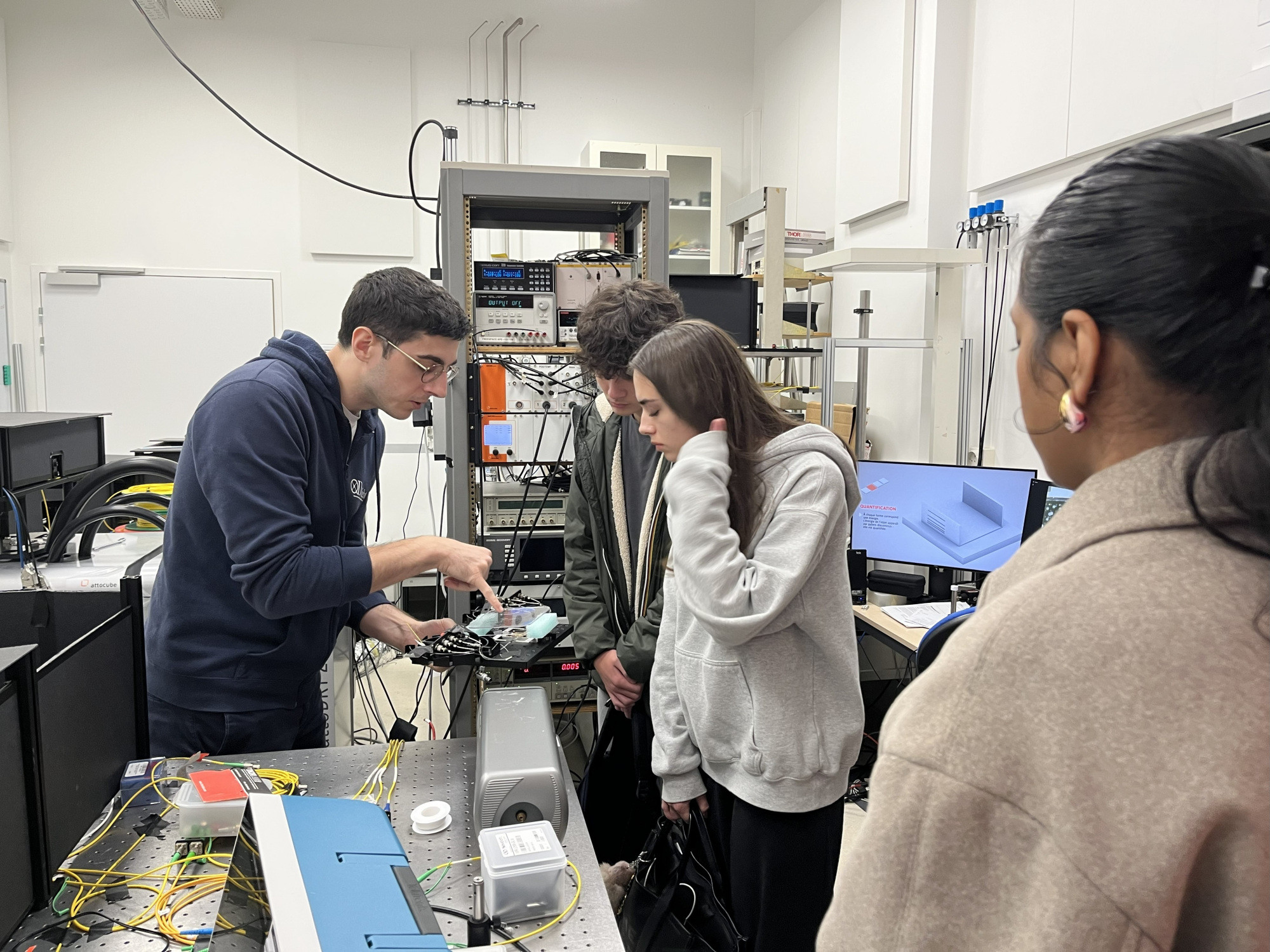
Fête de la Science at C2N

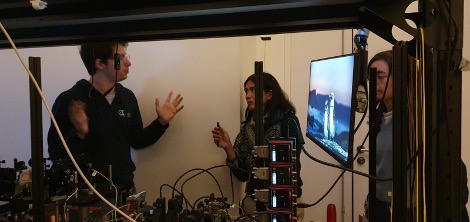
🔭 During Fête de la Science at C2N, we gave a tour of our quantum optics lab and showed simple light experiments illustrating the principles we use every day — from interference to quantum phenomena! 💡

Our team's presence at QMatter!

Our group attended the Quantum Matter 2025 conference in Grenoble to present our last year’s scientific progress using our quantum dot-microcavity devices.

With a total of 1 plenary talk, 7 contributed talks, and 2 posters, we promoted photonic applications in general with topics covering noise spectroscopy for our device technology optimization, progress on photonic receiver, Wigner function measurement, up to cluster-state generation, and BB84 QKD.

From 2025 onwards, our team leaves X (formerly Twitter) and  posts its updates on Bluesky.

Follow us on @c2n-qdqt.bsky.social

Jacqui Romero, associate professor at the University of Queensland and qudit expert, visited on Feb 6, 2025, to see how we use quantum-dot-based nonlinearity for photon state generation.
In her seminar, she explored qudit research, focusing on Laguerre-Gaussian modes. Her team has scaled encoding modes to 17-dit and implemented high-dimensional programmable gates.

Now, these advances are transitioning to optimized chip architectures via inverse design. More exciting results to come!

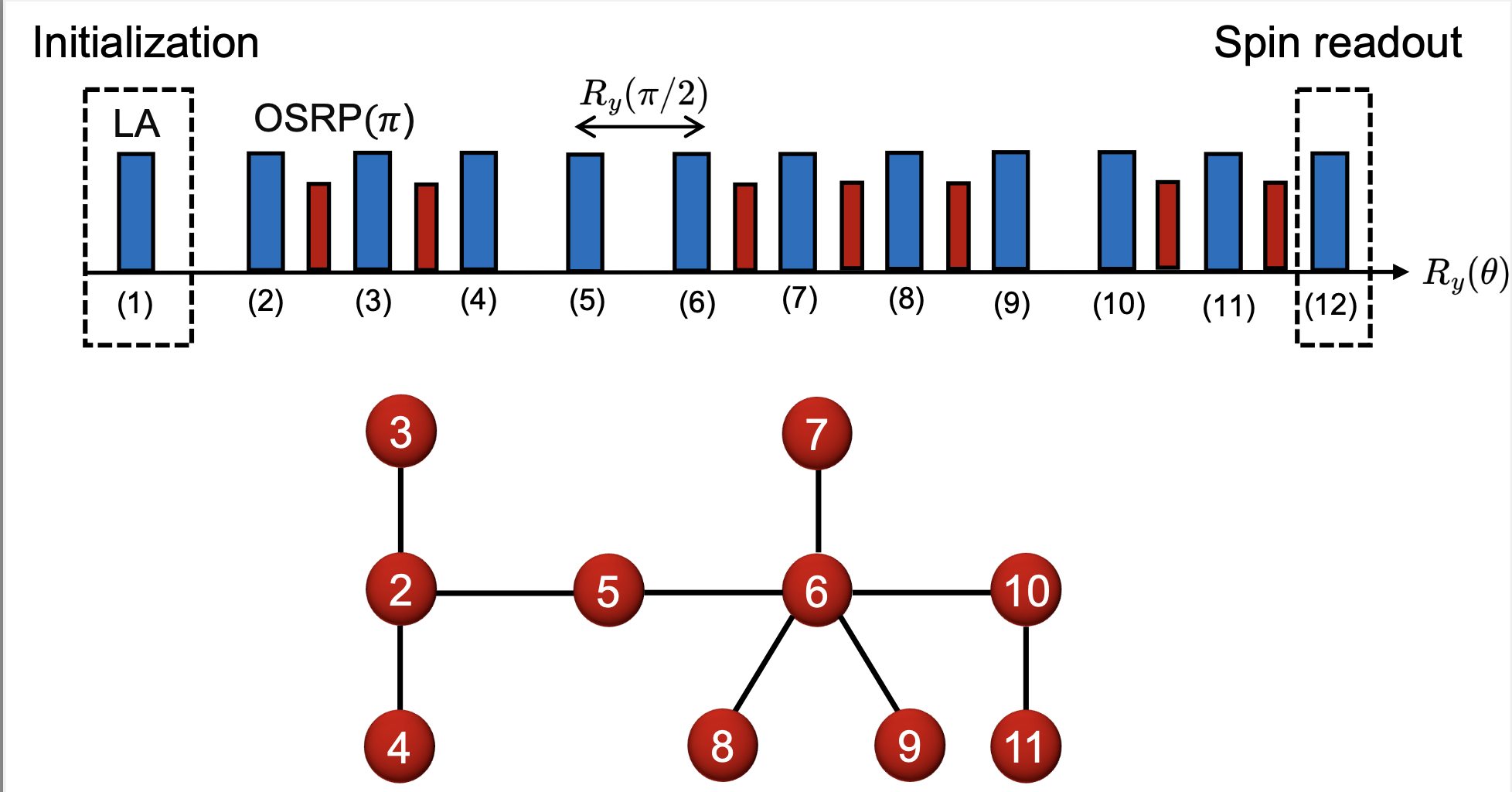
By entangling a single spin with successively emitted photons, we demonstrate full spin control using fast optical pulses. This enables on-demand reconfiguration of quantum states, paving the way for generating “caterpillar” graph states—the most versatile type achievable with a single emitter.

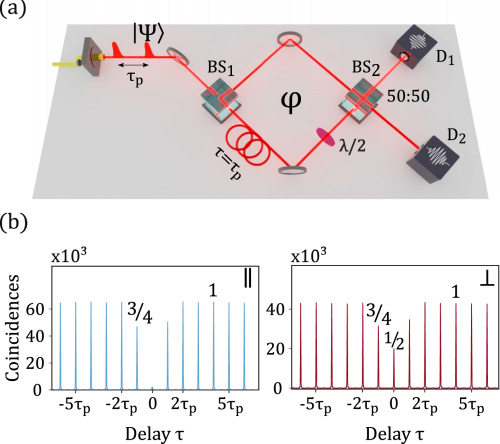
In this publication, we address the influence of photon-number coherence on quantum interference experiments, highlighting its effects on Hong–Ou–Mandel measurements, indistinguishability estimations, and additional entanglement during partial measurements and examines its implications for quantum protocols, including modifications to heralding efficiency and the fidelity of two-qubit gates. 

Exploring Quantum Frontiers: France Culture’s La Science, CQFD showcases groundbreaking innovations in quantum mechanics with Pascale Senellart and Tristan Meunier, discussing transformative applications in computing, communication, and energy

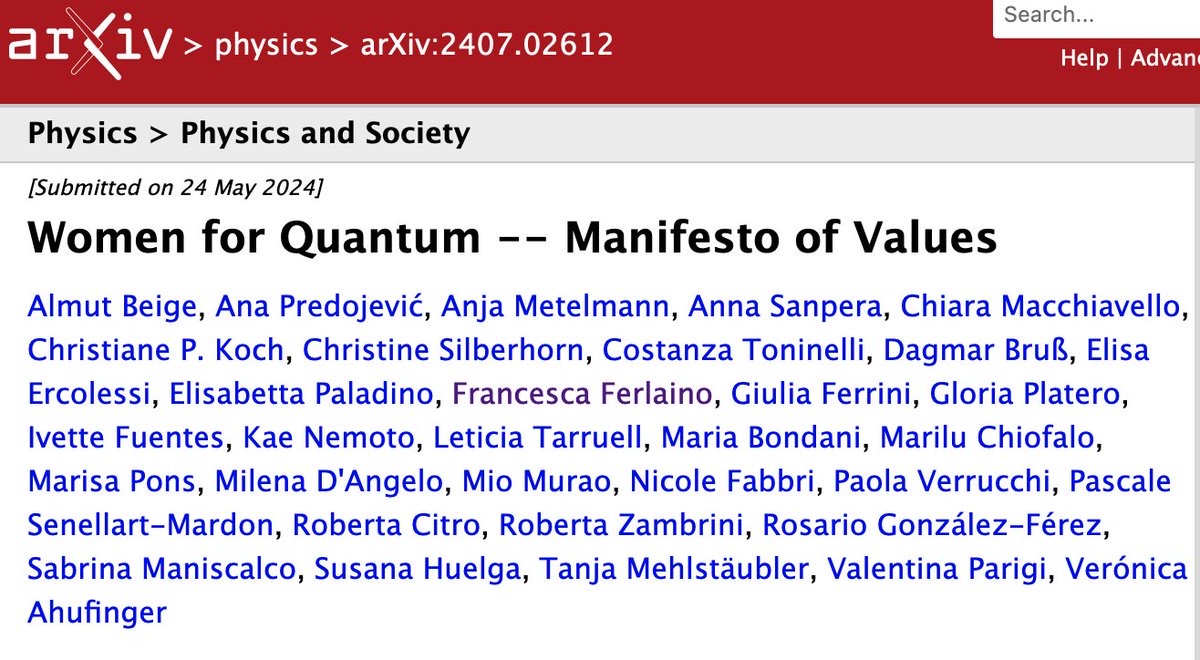
Data show that the presence of women in quantum science is affected by a number of detriments and their percentage decreases even further for higher positions. It is time for a real change that calls for a different kind of force and for the participation of everyone. Women for quantum calls for a joint effort and aims with this initiative to contribute to such a transformation.

12th International conference on Quantum dots

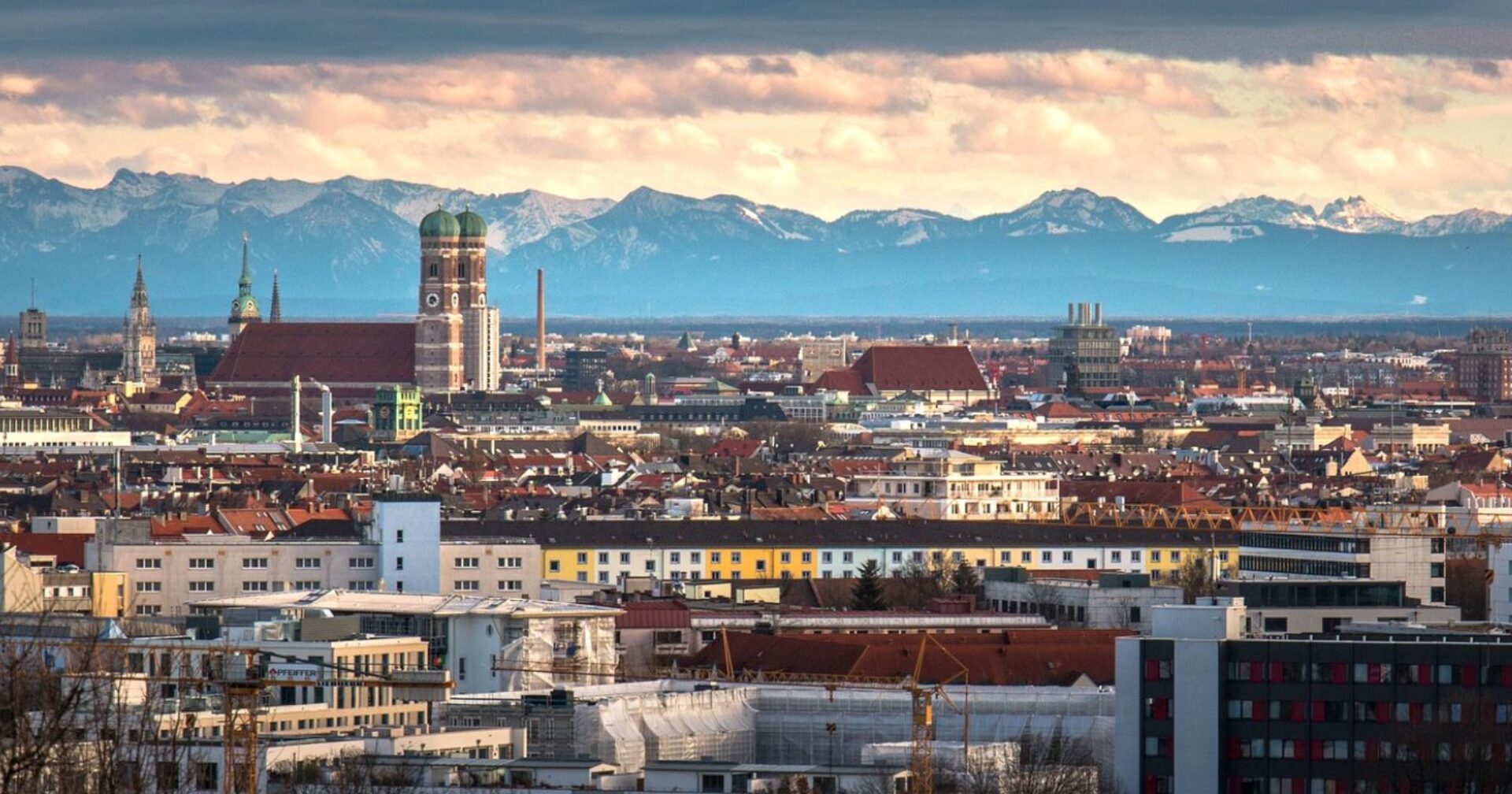
Pascale Senellart was invited to the 12th International conference on Quantum dots that took place in Munich from the 18th to the 22nd of March 2024

Matinée de l'Innovation du Groupe Bouygues

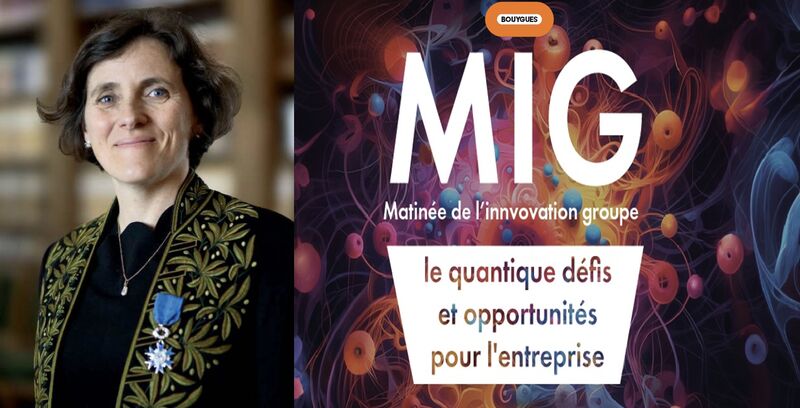
 Pascale Senellart presented the research activities of the group at “Bouygues Group Innovation Morning” 

Inauguration de MosaiQ

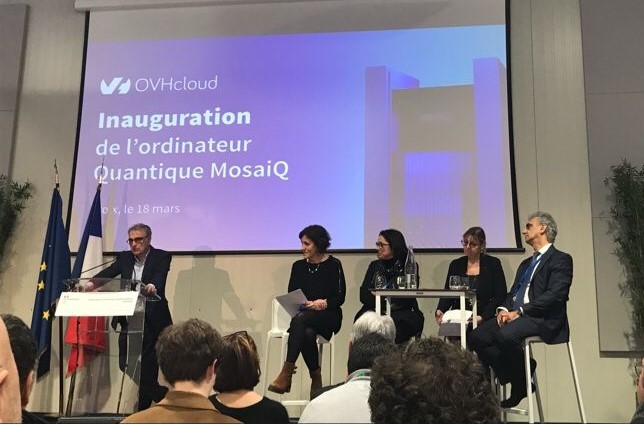
 OVHcloud unveils its quantum computer Delivered by Quandela and announces a new educational programme to support the European IT ecosystem

CNRS 2024 Silver Medal

On February 15, 2024, the CNRS unveiled the 25 Silver Medal winners, including Aristide Lemaitre, Director of Research at the CNRS.

European Commission awards prestigious grant to EPIQUE consortium for groundbreaking Quantum Photonics computing research

First C2N Colloquium 2024

Pascale Senellart discussed how the team at C2N contributed to this journey 

Scroll to Top